Rev Up Your Art: Cool Automotive Drawings!
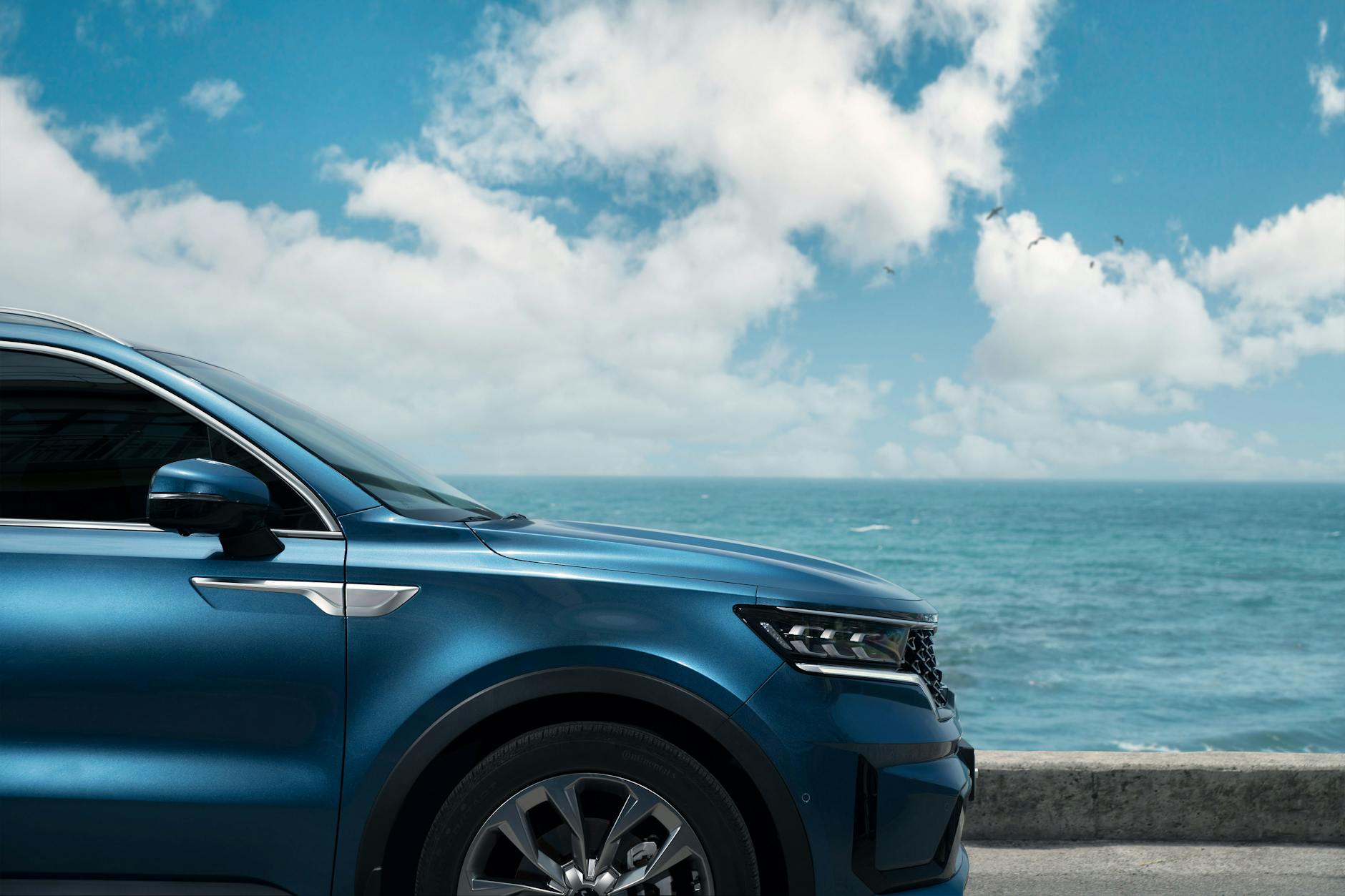
Are you the type of person who hears the roar of an engine and feels a surge of excitement? Do sleek lines and glossy exteriors catch your eye and hold your attention hostage? If the answer is 'yes,' then it's time to combine your love for cars with your artistic spirit!
Shift Your Creativity into High Gear
For many, cars are not just machines; they are rolling pieces of art, embodiments of freedom, and symbols of technological evolution. The world of automotive design is one of exhilarating beauty and cool precision. So, why not explore this metallic muse by putting pencil to paper and letting your creativity race across the finish line?
Fuel Your Passion for Autos and Art—Start Your Engines Now!
Whether you're a budding artist or a seasoned pro, drawing automobiles can be an incredibly rewarding experience. Not only does it challenge your ability to capture complex forms and reflections, but it also allows you to infuse your work with the dynamic energy that cars represent.
Step 1: Choose Your Model
Start by selecting the type of car that revs up your artistic engines. Are you drawn to the vintage charm of classic cars, the aggressive stance of muscle cars, or the futuristic allure of hypercars? Each type offers unique design elements that can teach you something different about form, texture, and perspective.
Step 2: Gather Your Tools
You don't need an entire mechanic's toolbox to create a masterpiece. However, a good set of drawing pencils, a quality eraser, a sharpener, and perhaps a blending stump for those subtle shading effects are essential. And of course, high-grade paper that will do your automotive subject justice.
Step 3: Set Up Your Workspace
Find a well-lit, comfortable spot where you can spread out your materials and reference images. Good lighting is crucial; it will not only help you see better but also enhance the way you capture light in your drawing, a vital aspect of automotive art.
Step 4: Sketch Your Outline
Begin with a loose sketch, focusing on the basic shape and proportions of the car. Cars consist of many compound curves and reflective surfaces, so pay attention to these areas. And remember, every line matters in automotive drawing, as they define the car's character.
Step 5: Detailing and Shading
Once you're happy with the outline, start adding details like the grille, wheels, and windows. Shading brings your drawing to life, adding depth and volume. Observe how light interacts with the car's surfaces and mimic these effects in your shading.
Step 6: Finishing Touches
The devil is in the details. Don't rush this part. Add reflections, refine the shading, and make sure each part of your car is distinct and polished. This step is about patience and your passion for intricacies; it's what takes your drawing from good to great.
Share Your Masterpiece
When you're done, don't just leave your drawing in the dust; share it! Social media platforms, online art communities, and local art shows are all excellent places to let your automotive art be admired.
Keep Your Pencils Revving!
Like any skill, drawing cars gets easier with practice. Study different models, experiment with various techniques, and don't be afraid to take artistic liberties. As you progress, your unique style will emerge, and your automotive drawings will become more than just cool; they'll be a hallmark of your passion and artistic talent.
So, what are you waiting for? Start your engines and let the rubber of your pencils hit the road. The world of auto art awaits, and your creativity has never been more ready to speed into the fast lane. Strap in, because it's going to be one exhilarating ride!